What made you want to try half-frame, and what was your first half-frame camera?
When I look back on my first attempts at photography, I remember how black-and-white photography fascinated and influenced me as a teenager in the 1980s. The 1970s were suddenly full of colour everywhere. I only knew black-and-white photographs from my grandparents’ albums and from newspapers. Toned and bleached black-and-white photographs, such as those by Albert Waton, became popular in the late 1980s. Grain and strong contrasts made a comeback and found their way into pop culture, advertising photography and MTV. I wanted to be able to do that too, and make contacts along the way. But my budget was limited and the factory prints on PE paper.were of poor quality. Nevertheless, I managed to produce some nice toned prints with black tea.
Perhaps it was the weight of my first SLR that made me interested in compact cameras. But I discovered the half-frame format after rediscovering analogue photography. Enthused by the mechanics of the Olympus Pen F, I bought an inexpensive Canon Prima Tele to try out. The idea was to sharpen my photographic eye through the limitations of film, but with the leeway of 72 exposures. The first advertisement for the Pentax 17 prompted me to place an order on the spot. Since I moved from West to East Germany a few years ago, purchasing a Pentacon Penti II was almost a must.
What is it you like most about Half-frame?
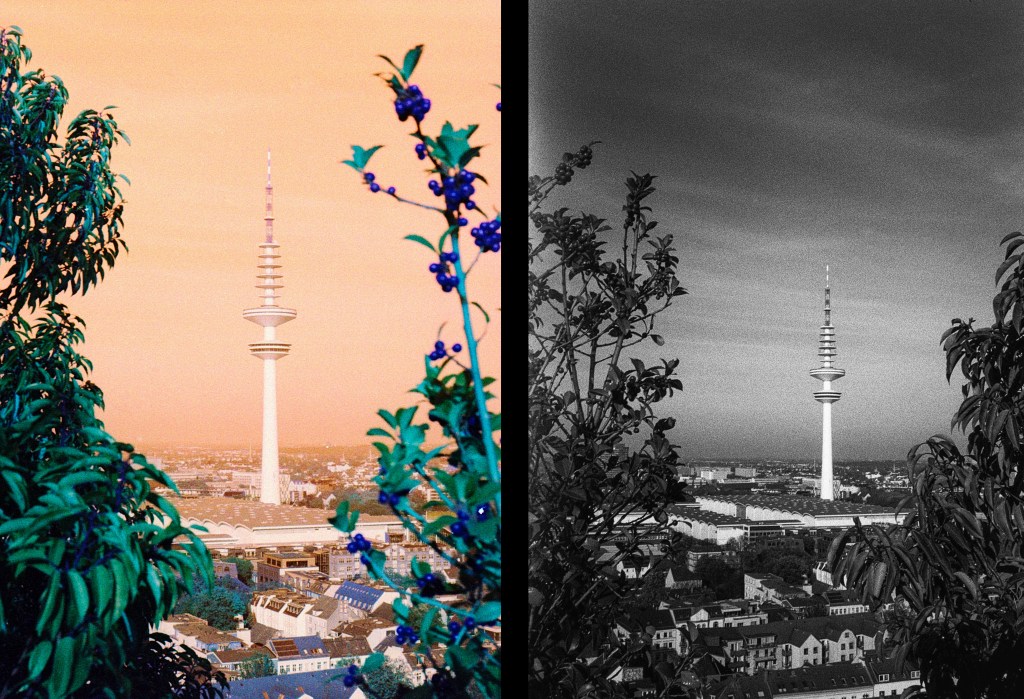
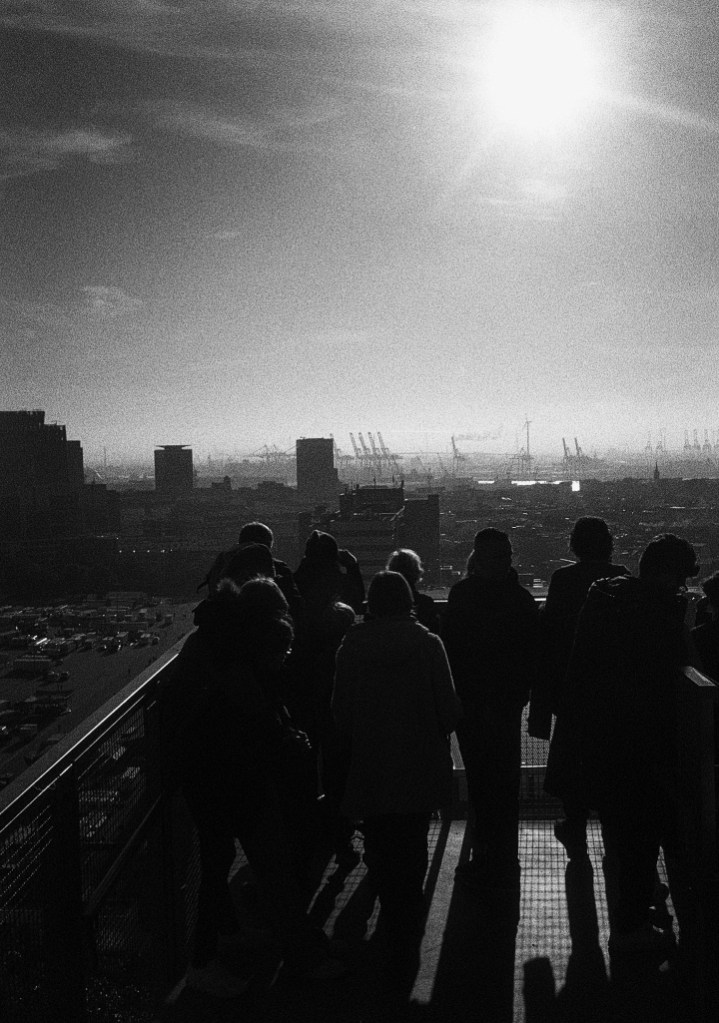
Humans have a horizontal field of vision but stand upright in the world. The half-frame or portrait format leads us to a clear composition of vertical stratification, which also fits wonderfully into the digital display on our mobile devices. It offers comparison, sequencing and side-by-side presentation. Of course, if the subject requires it, I also turn the camera, but primarily it is the vertical, the portrait, that appeals to me. When you look through the round viewfinder of the Penti II for the first time, you are greeted by a wonderful illuminated frame, and the half-frame format makes this camera from the late 1950s look really modern. It was designed to enable the masses to enjoy photography. But the presentation of the technology and image composition by two protagonists, Eva and Jürgen, in the manual and photography course ‘Die Penti-Schule’ is also refreshingly modern. Furthermore, the format motivates us to get close to the subject, as anything far away disappears in the grain of the film.

Favourite subject and/or Half-frame photo?
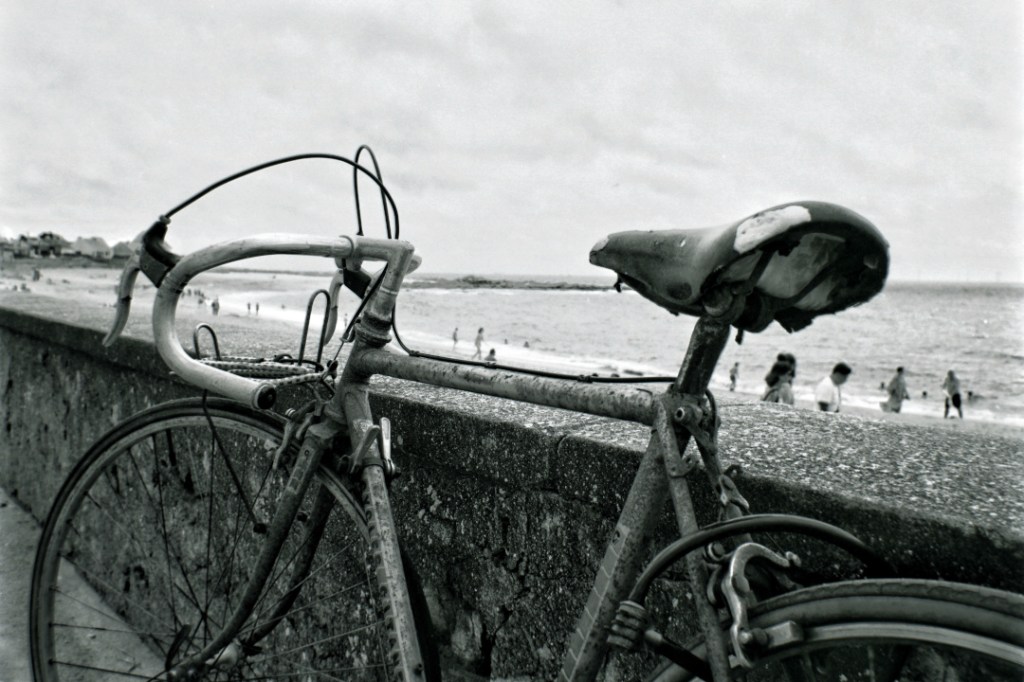
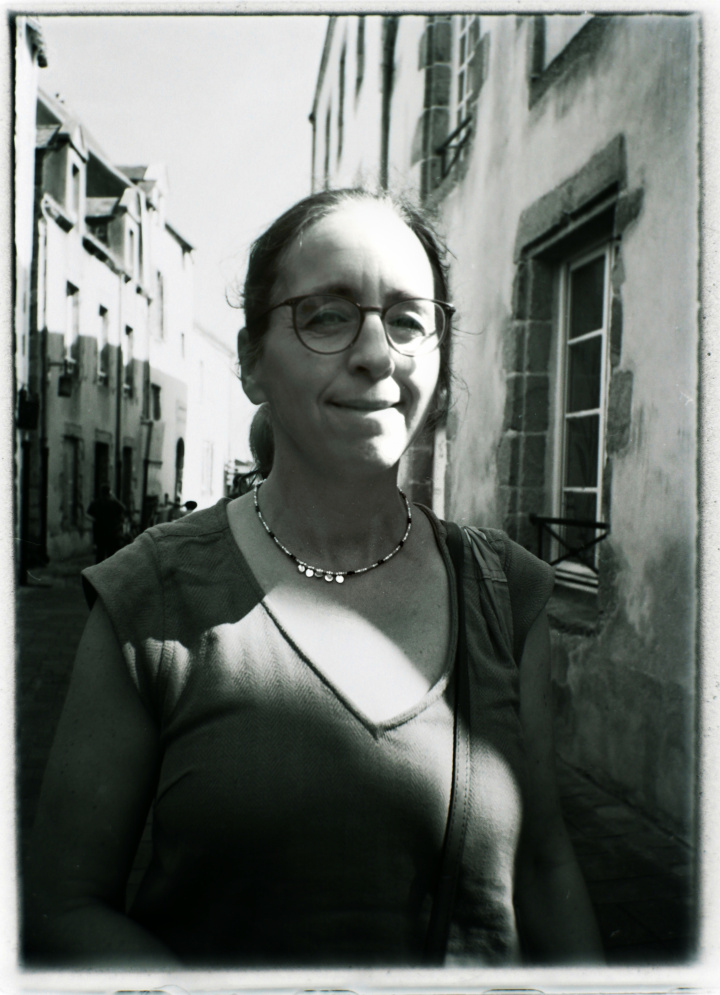
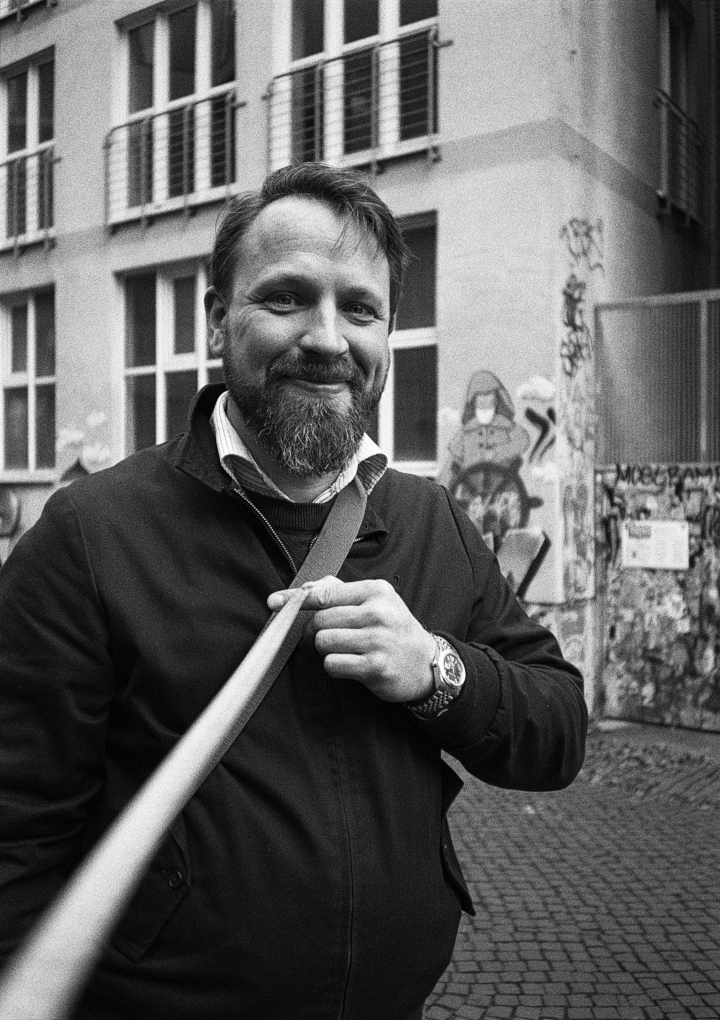
Currently, I lack continuity when it comes to photography. I drift around and get distracted by many things, including bicycles. During joint photo walks, there are many surprises, and it is enjoyable to place different shots of the same subject side by side and learn together. In general, I would like to photograph people. I have already achieved good results with the Pentax 17 and a tape measure. I am curious to see how good the prints will be and to reproduce my previous hybrid process entirely in analogue form. I find the current high-resolution ISO 25 and 50 films very exciting. In addition to half-frame 35mm film, I also use half-frame medium format for studio shots.
Your top tip/s for shooting half frame photos?
The 48 or 72 exposures of regular film are very practical for travelling. But is a challenge for a day trip where you go straight to the developer at the end. For small series, it is handy to buy a large 30m bulk film roll and cut the film length yourself. Or you cut two rolls from one regular roll. I notice by time that I want to fit too much into one picture – less is more, and close distance to the subject is always better. Be wasteful with your exposures in series, try out many perspectives for one subject and take notes. Meet up with friends to discuss your photography and be open for feedback. Analogue photography is communication – have fun.